This is a job vacancy
With a bit of dummy text.


Hunebeds are prehistoric megalithic monuments found in Northwestern Europe. Hunebeds were particularly common in the Netherlands, Germany, Denmark, and Sweden. The history of hunebeds dates back to the Late Stone Age, specifically between 4500 and 2500 BC.
The word ‘hunebed’ is derived from the Dutch word ‘hune’, meaning giant. In the Middle Ages, it was believed that giants had built these stone structures. However, in reality, the hunebeds were built by the Funnelbeaker cultures (a large number of communities in the New Stone Age who lived in this area). These cultures used large stones, some weighing up to 20 tonnes, to build chambers in which they could bury the deceased.
The megalithic tombs are made of glacial erratics, which were transported to the area by glaciers during the ice age. The stones were then stacked on top of each other to form chambers, which were covered with large flat stones. These stones formed a kind of dome, which was probably covered with earth and grass.

The Netherlands also has dolmens, with a total of 54 to be found, most of which are located in the beautiful province of Drenthe. The largest is dolmen D27, also known as the "Papeloze kerk" (Papist Church/Church of the Dispossessed). This is located in Borger and consists of 7 support stones and 28 capstones and is approximately 22 metres long. The dolmens in the Netherlands were built around 3350 BC, but they were used until about 2850 BC. This can be seen by looking at the pottery that was used.
The dolmens are seen as the best-known archaeological monuments in the Netherlands. And although most people think they know the history of the dolmens, and that they are thousands of years old, there are still many mysteries surrounding the monuments. For example, how the Funnelbeaker cultures were able to move and stack these enormous stones without the use of the modern technologies available to us today. However, the dolmens are still an important part of Dutch history and attract thousands of tourists to the region every year.
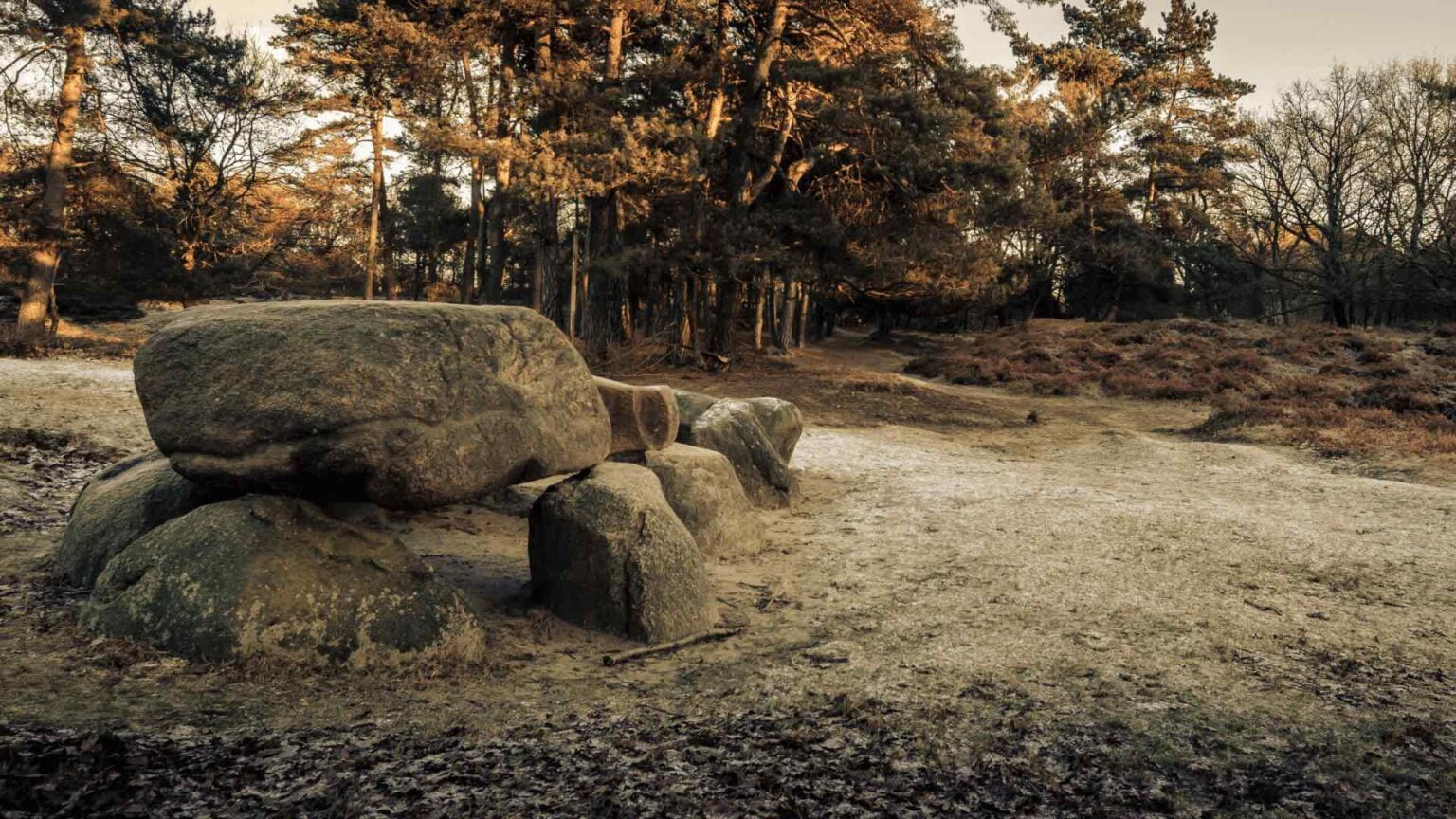
When you are in Drenthe, it is definitely recommended to visit the hunebeds. It is a monument that everyone should see once in the Netherlands. In Borger, on the Drenthe Hondsrug, you will find the Hunebedcentrum. Are you curious about the history of the hunebeds and do you enjoy delving into prehistory and everything that comes with it? Then be sure to visit the Hunebedcentrum. In addition to this museum where you can view the hunebeds, you can also visit the Oertijdpark, where you can experience how people lived on farms in the past. You can admire 150,000 years of Drenthe's history here.
Then be sure to visit the Hunebed Centre. In addition to this museum where you can view the hunebeds, you can also visit the Prehistoric Park, where you can experience how people lived in farmsteads in the past. Become curious? Then take a look at our rooms!
Fill in your details and we will contact you within 24 hours
Fill in your details and we will contact you within 24 hours